- Client-centered care
- Practical coping skills
- Trauma-informed support
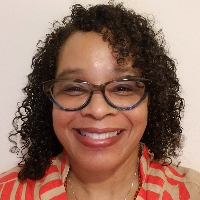
About Vivian
Her style is straightforward and collaborative. She listens first and helps people name what matters most. Sessions focus on practical steps people can try between meetings, such as new coping skills, communication tools, or ways to manage strong emotions.
Vivian uses approaches like client-centered work, cognitive behavioral techniques, dialectical behavior strategies, EMDR, and mindfulness. She adapts methods to each person rather than applying one fixed plan. The aim is to build useful skills and gently process painful memories over time.
She draws on long clinical experience and attention to cultural and workplace concerns. That experience informs how she helps people juggle caregiving roles, job stress, or complex grief. Vivian works from Kentucky and supports English-speaking and international clients.
To begin, people complete a short matching questionnaire and then schedule sessions based on therapist availability. The practice uses a subscription that can be canceled at any time, and cost varies with location and therapist factors.
Areas of expertise
Primary focus
Also works with
Additional focus areas
Therapeutic approaches
Experience
25+ years
Credentials
Kentucky, Ohio
Languages
English
Approaches you can use in online sessions
Client-centered therapy focuses on the person in the room. It means the therapist follows the client's pace, reflects what is said, and helps people identify their goals and values. This approach is useful when someone needs a listening space and help sorting priorities.Cognitive behavioral therapy, or CBT, looks at how thoughts, feelings, and actions link together. It teaches practical techniques to change unhelpful thinking and behavior patterns, which can help with anxiety, depression, and impulse control.
Dialectical behavior therapy, or DBT, offers skills for managing intense emotions and improving relationships. It includes breathing and attention skills, emotion regulation strategies, and ways to handle conflict more effectively.
Finding the right approach is part of the work. The therapist will collaborate with each person to pick and adapt methods that match their needs, goals, and preferences. That might mean starting with skills work, then moving into trauma processing or mindfulness practices as trust builds.
If you prefer online sessions, confirm the available session formats before booking since specific formats were not listed in the biography. Many people find virtual options help fit therapy into a busy day, make scheduling easier, and allow shorter check-ins when needed. A therapist can also suggest which approaches adapt well to remote work and how to plan sessions that suit daily life.
Frequently asked questions
What concerns does Vivian help with?
She works with stress, anxiety, depression, trauma and abuse, bipolar mood concerns, addictions, relationship and family issues, grief, anger, and ADHD among other areas.
What is her therapeutic style like?
Her approach is collaborative and practical. She listens first, then helps people try concrete skills and communication strategies between sessions.
How much experience does she have?
Vivian has 25 years of clinical experience supporting people through mood disorders, trauma, workplace and cultural stress, and caregiving strain.
What are her credentials and where is she based?
She is an LPCC licensed in Ohio and Kentucky and practices from Kentucky.
Which languages are supported?
Sessions are offered in English, and she accepts international clients.
What session formats are available?
The original biography does not list specific session formats; please confirm current session options before booking.
How are sessions paid for and what do they cost?
Cost varies with location and therapist factors. Sessions use a subscription model that can be canceled at any time.
How do I get started?
Select the Start Therapy button, complete a short matching questionnaire, and schedule sessions according to therapist availability.