- Client-centered care
- Practical coping skills
- Trauma-informed support
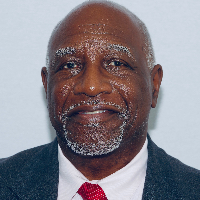
About Wayne
Wayne uses a holistic, client-centered approach that begins by listening closely to a person's story. He helps people build self-awareness so they can spot patterns that get in the way of daily functioning. From there he works with clients to set small, achievable goals that fit into everyday life.
He blends cognitive behavioral methods with motivational interviewing to break down unhelpful thoughts and build new behaviors. He also draws on trauma-focused techniques when past events are blocking recovery and making day-to-day coping harder. Sessions are straightforward and focused on practical change rather than jargon.
Wayne has experience supporting people through grief, addiction, cancer-related stress, career transitions, and compassion fatigue. He has specific background working with law enforcement trauma and concerns tied to military and veteran life. That experience informs how he helps clients manage stress and rebuild routines.
People often come to Wayne for help with parenting strain, intimacy issues, self-esteem, and major life changes like divorce or loss. He encourages resilience by turning problems into opportunities and by helping clients recognize strengths they already have.
Areas of expertise
Primary focus
Also works with
Additional focus areas
Therapeutic approaches
Experience
25+ years
Credentials
Michigan
Languages
English
How Wayne’s approaches translate to online work
Client-Centered Therapy focuses on listening and helping people make their own changes. In practice this means the therapist follows each person’s pace and priorities, supporting self-awareness and practical problem-solving. Cognitive Behavioral Therapy, or CBT, helps people notice unhelpful thoughts and try different behaviors to reduce symptoms like anxiety or low mood. It is often used for stress, depression, and coping with life changes.Finding the right approach is part of the work together. Wayne aims to figure out which methods fit a person's goals and preferences, and he adjusts the plan as needs change. That process is collaborative and often begins with short, concrete goals to build momentum.
The biography does not specify which online session formats are offered, so confirm current options before booking. Online therapy can make it easier to fit sessions into a busy life, allow shorter check-ins when schedules are tight, and reduce travel time. It also can help people keep continuity of care during moves or deployments. Talk with the therapist about practical arrangements and which approach will best match your situation.
Frequently asked questions
What concerns does Wayne commonly work with?
He focuses on stress, anxiety, trauma and abuse, grief, depression, addictions, relationship and intimacy-related issues, parenting strain, self-esteem, career changes, and compassion fatigue, among other concerns.
What is his general therapy style?
He uses a client-centered, straightforward style that emphasizes listening, building self-awareness, and setting practical goals tailored to daily life.
What level of experience does he bring?
He has 25 years of counseling experience and a background working with law enforcement trauma and concerns related to veterans and armed forces life.
What credential and location are listed?
He is a Licensed Professional Counselor, LPC, practicing in Michigan.
Which languages are supported and can international clients work together?
Sessions are offered in English and he does accept international clients.
What session formats are available?
The original biography does not list specific session formats; please confirm current session options before booking.
How does payment and cost work?
Cost varies with location and therapist availability; sessions use a subscription that can be canceled at any time.
How do I begin working with him?
Select the Start Therapy button, complete a short matching questionnaire, and schedule based on therapist availability.