- Practical coping tools
- Focus on daily routines
- Trauma-informed care
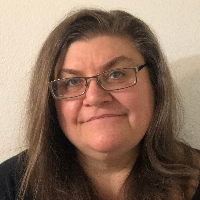
About Wendi
With 24 years of clinical experience, she uses clear, practical methods rather than jargon. Sessions focus on understanding what is happening now and building useful habits to cope. Wendi aims to help people feel steadier day to day and regain control over routines that matter.
Her background includes long-term work with survivors of assault, veterans, caregivers, and people facing chronic illness. That experience informs a calm, steady style that balances problem-solving with emotional support. She centers each plan on the person’s goals and daily realities.
Wendi draws on approaches such as Cognitive Behavioral Therapy, Motivational Interviewing, Solution-Focused Therapy, and Trauma-Focused Therapy to guide sessions. Those methods are used to address symptoms, change unhelpful patterns, and prepare for stressful moments. She explains steps clearly and practices skills with clients during meetings.
People who seek help can expect straightforward feedback, concrete tools to try between sessions, and a focus on progress they can measure. Her work acknowledges how service and civilian life can affect adjustment and stress. Prospective clients are encouraged to confirm session formats and scheduling details before booking.
Areas of expertise
Primary focus
Also works with
Additional focus areas
Therapeutic approaches
Experience
24+ years
Credentials
Washington, Florida
Languages
English
How Wendi Uses Evidence-Based Approaches Online
Wendi often uses Cognitive Behavioral Therapy to help people notice and change thoughts and behaviors that increase anxiety or depression. CBT breaks problems into small parts and teaches practical skills to reduce symptoms and improve routine functioning.She also draws on Trauma-Focused Therapy when past events continue to affect daily life. This approach helps people process distressing memories and practice coping techniques so those memories interfere less with everyday tasks.
Finding the right approach is a collaborative process. The therapist will discuss goals, preferences, and what has or hasn’t helped in the past. Together they choose methods and adjust them as progress is made so work stays aligned with the client’s needs.
Confirm current session options before booking, as formats are not listed here. Online work can make it easier to fit therapy into a busy week, reduce travel time, or allow a quicker check-in during a lunch break. For some people it also makes it simpler to practice skills in the settings where problems occur. Ask about session length and scheduling when you start the matching process to find a plan that fits your life.
Frequently asked questions
What concerns does this therapist help with?
She supports people facing stress, anxiety, trauma and abuse, parenting challenges, grief, sleep problems, self-esteem struggles, addiction, anger, career change, compassion fatigue, ADHD, and related issues.
How would you describe her therapy style?
Her style is practical and direct. She focuses on identifying problems, trying concrete strategies, and tracking small changes over time.
What kind of experience does she bring?
She has 24 years of clinical experience working with people who have faced trauma, caregiving stress, chronic illness, and major life transitions.
What credentials and region are listed?
She is a Licensed Mental Health Counselor, LMHC, with licensure noted in Washington state.
Which languages are used in sessions?
Sessions are offered in English.
Does she take international clients or offer cross-border sessions?
She is not accepting international clients at this time.
How are costs and billing handled?
Fees vary by location and therapist availability; sessions use a subscription that can be canceled at any time. Exact rates depend on the service selected.
How do I begin working with her?
Start by selecting the Start Therapy button, complete a short matching questionnaire, and then schedule according to therapist availability.