- Faith-respecting care
- Goal-focused sessions
- Support for life changes
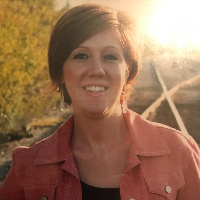
About Wendy
Wendy creates a calm, conservative environment where people can talk about tough issues. She listens and helps clients sort through feelings about stress, grief, and relationship tensions. Conversations are aimed at practical steps people can take after sessions.
Her work includes support for self-esteem, coping with change, and recovery from substance-related problems. She also addresses sleep and eating concerns, anger, career stress, and attention-related difficulties. Sessions often focus on clear goals and manageable strategies.
Wendy draws from several established approaches to shape sessions. She uses tools that help people notice thoughts, try small behavior changes, and strengthen emotional bonds. Spiritual beliefs and life purpose conversations can be part of the plan when clients want that.
People often leave sessions with concrete coping ideas and small steps to practice between meetings. The emphasis is on steady progress rather than sudden fixes. Anyone considering starting therapy is encouraged to think about the values and goals they want to bring to the work.
Areas of expertise
Also works with
Additional focus areas
Therapeutic approaches
Experience
12+ years
Credentials
Texas
Languages
English
How therapy approaches translate to online work
Acceptance and Commitment Therapy (ACT) helps people notice unhelpful thoughts and choose actions that match their values. It can help with anxiety, depression, and motivation by focusing on what matters most. Cognitive Behavioral Therapy (CBT) breaks problems into thoughts, feelings, and actions and tests practical ways to shift unhelpful patterns; it often helps with anxiety, mood, and sleep. Emotionally-Focused Therapy (EFT) focuses on emotional experience and attachment patterns to improve how people relate and process grief or trauma.Finding the right approach is part of the work together. The therapist will talk with each person about needs, goals, and preferences and then try methods that fit. Sessions are collaborative - clients and the therapist review what helps and adjust the plan as they go.
Session format options are not listed in the biography, so confirm current session choices before booking. Online therapy can make it easier to fit appointments into a busy life, reduce travel time, and allow shorter check-ins on a workday. It can also offer options for people who prefer to work from a familiar setting or need a different scheduling arrangement. Licensed professionals tailor techniques to what a person can realistically practice between sessions.
Frequently asked questions
What concerns does she help with?
Wendy works with a wide range of issues including stress, anxiety, depression, addictions, relationship and family concerns, grief, trauma, self-esteem, sleep and eating problems, and attention-related difficulties.
What is her therapeutic style like?
She offers a calm, conservative, faith-centered approach that emphasizes listening, practical steps, and respect for personal values and spiritual beliefs.
How much clinical experience does she have?
She has 12 years of experience as a Licensed Professional Counselor working with adults on a range of life and emotional challenges.
Where is she licensed and based?
She is a Licensed Professional Counselor (LPC) practicing in Texas.
Which languages are offered for sessions?
Sessions are offered in English.
Can international clients schedule with this therapist?
She does not accept international clients at this time.
How are sessions paid for and what does cost look like?
Cost varies with location and therapist availability; sessions use a subscription model that can be canceled at any time.
How do I begin working with her?
To start, select the Start Therapy button, complete a short matching questionnaire, and schedule according to the therapist's availability.