
Brian Kay
LCSWUtah · 20 yrs exp
Compassionate, practical therapy for life changes
Stress, Anxiety · Relationship · Grief · Depression · +12 more
Read profileTherapist listings are provided by BetterHelp. We will earn a commission at no extra cost to you if you use our links to buy.
Welcome to our directory of online therapists serving Utah. All therapists listed here are licensed in Utah - explore profiles to learn about their approaches, areas of focus, credentials and languages.
Utah · 20 yrs exp
Compassionate, practical therapy for life changes
Stress, Anxiety · Relationship · Grief · Depression · +12 more
Read profile
Utah · 21 yrs exp
Compassionate social worker teaching practical skills
Addictions · Family · Trauma and abuse · Parenting · +15 more
Read profile
Utah · 6 yrs exp
Compassionate, evidence-informed therapy for adults
Stress, Anxiety · Trauma and abuse · Grief · Depression · +1 more
Read profile
Utah · 10 yrs exp
Practical support for stress and life transitions
Stress, Anxiety · Addictions · Relationship · Self esteem · +1 more
Read profile
Utah · 10 yrs exp
Compassionate therapist for lifes challenges
Family · Trauma and abuse · Grief · Anger · +1 more
Read profile
Utah · 6 yrs exp
Experienced social worker focused on practical change
Stress, Anxiety · Addictions · Relationship · Trauma and abuse · +12 more
Read profile
Utah · 10 yrs exp
Practical counseling for stress and life change
Stress, Anxiety · Addictions · Trauma and abuse · Grief · +14 more
Read profile
Utah · 11 yrs exp
Practical, goal-focused therapy for everyday struggles
Stress, Anxiety · Relationship · Trauma and abuse · Self esteem · +13 more
Read profile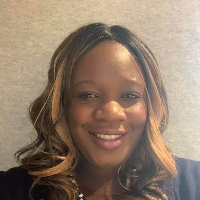
Utah · 20 yrs exp
Experienced LCSW focusing on practical change
Stress, Anxiety · Addictions · Trauma and abuse · Self esteem · +12 more
Read profile
Utah · 22 yrs exp
Practical, goal-focused counseling with lived experience
Addictions · Relationship · Trauma and abuse · Stress, Anxiety · +11 more
Read profile
Utah · 11 yrs exp
Compassionate therapist for identity and relationships
Stress, Anxiety · LGBT · Relationship · Trauma and abuse · +9 more
Read profile
Utah · 11 yrs exp
Encouraging counselor for life transitions
Family · Trauma and abuse · Anger · Self esteem · +10 more
Read profile
Utah · 25 yrs exp
Hope and practical change for overwhelmed people
Relationship · Family · Parenting · Anger · +14 more
Read profile
Utah · 9 yrs exp
Support for stress, relationships, and life change
Stress, Anxiety · Addictions · Relationship · Family · +11 more
Read profile
Utah · 18 yrs exp
Therapist focused on practical, steady support
Stress, Anxiety · Relationship · Trauma and abuse · Bipolar · +13 more
Read profile
Utah · 21 yrs exp
Therapist for relationship and trauma concerns
Relationship · Family · Trauma and abuse · Intimacy-related issues · +14 more
Read profile
Utah · 17 yrs exp
Strength-based guidance for life transitions
Stress, Anxiety · Trauma and abuse · Self esteem · Depression · +9 more
Read profile
Utah · 11 yrs exp
Practical, compassionate therapy for life changes
Relationship · Family · Trauma and abuse · Parenting · +15 more
Read profile
Utah · 7 yrs exp
Practical support for relationship and stress challenges
Relationship · Stress, Anxiety · Intimacy-related issues · Anger · +1 more
Read profile
Utah · 21 yrs exp
Calm, practical support for life’s hard moments
Stress, Anxiety · Relationship · Family · Trauma and abuse · +14 more
Read profile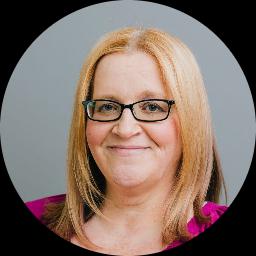
Utah · 8 yrs exp
Practical coping skills with steady support
Stress, Anxiety · Addictions · Trauma and abuse · Bipolar · +15 more
Read profile
Utah · 50 yrs exp
Practical support for stress, addiction, and life change
Stress, Anxiety · Intimacy-related issues · Self esteem · Depression · +7 more
Read profile
Utah · 10 yrs exp
Compassionate counselor focused on practical change
Stress, Anxiety · Trauma and abuse · Self esteem · Depression · +11 more
Read profile
Utah · 30 yrs exp
Experienced clinician focused on addiction and trauma
Stress, Anxiety · Addictions · Trauma and abuse · Grief · +12 more
Read profileOnline therapy has become a widely used option for people across Utah, from the Wasatch Front to more rural valleys and high desert communities. As technology has evolved, many clinicians list video and phone sessions among their ways of working, making it possible to meet a counselor without a commute. In Utah, licensure rules guide who may provide mental health services to residents, and most therapists who appear in this directory are licensed to practice in the state. That framework helps you find professionals whose profiles describe their credentials and practice approaches, allowing you to focus on fit and practical factors.
Because online sessions remove geographic barriers, you can search for therapists who specialize in particular populations, speak specific languages, or use particular therapeutic methods. Profiles often include short biographies, a list of issues the clinician commonly addresses, and the types of sessions they offer. While the technical details of how a clinician works - such as platform choice or session format - vary, the general trend is toward more accessible, flexible options that can be tailored to your schedule and daily life.
If you live in an area where in-person options are limited, online therapy can expand your choices. You can connect with therapists who list specialized approaches or experience with certain concerns even when those clinicians are located outside your immediate town. For people balancing work, school, caregiving or travel across the state, remote sessions can reduce commute time and make it easier to maintain consistent care. You can also choose a therapist whose language skills or cultural background better match your needs, which can be especially helpful in a state with diverse communities.
Online therapy also supports continuity if your living situation changes. If you move within Utah or spend time in different parts of the state for school or work, meeting with the same clinician by video or phone can preserve therapeutic progress. Many people find that the familiarity of a home setting helps them focus on the conversation, while others prefer a neutral place such as a personal room at work. Technology is not a perfect fit for everyone, but for many Utah residents it increases convenience and access while allowing you to select a clinician whose professional approach and communication style feel right for you.
Online therapists in Utah address a wide range of concerns. You can find clinicians who list anxiety and depression among the issues they work with, as well as those who focus on relationship and family concerns, grief and loss, life transitions, parenting, stress management and workplace challenges. Many therapists also list trauma-related work and support for people coping with major life events. If you are exploring therapy for substance use, eating concerns or mood symptoms, there are clinicians who describe that focus on their profiles.
Therapists often include the therapeutic approaches they use, and you will see language such as therapists who list CBT among their approaches, therapists who list EMDR among their approaches, and therapists who list psychodynamic or acceptance and commitment approaches among their approaches. That phrasing reflects how clinicians describe their work rather than independently verified credentials in a particular method. When you read a profile, pay attention to how the clinician explains their approach in plain language - that will give you a sense of whether their way of working matches how you like to receive support.
Verifying that a therapist holds an active license in Utah is an important step. Most profiles include a license type or number you can use as a starting point. You can check licensure through the state licensing authority by searching the public license lookup for Utah. Use the clinician's name and license type to find details such as current status, license expiration date and any publicly documented disciplinary actions. These records typically indicate whether a professional holds a license to practice in the state and show the credential under which they operate - for example a clinical social work license, professional counselor license, marriage and family license or psychologist license.
If the public record raises questions, you can contact the licensing board directly for clarification. When you review a license record, look for the issuing license type and dates, any notations about supervision requirements, and whether the license is active. License verification helps ensure the clinician is authorized under Utah rules, and it gives you factual information to discuss during an initial conversation with a therapist if you want more detail about their background.
Begin by identifying what matters most to you - the kinds of concerns you want to address, the therapeutic approaches you prefer, language needs and any practical considerations such as fee structure or insurance. Use the directory profiles to narrow your search to clinicians who list relevant approaches or experience. When you reach out, ask about session format - whether they offer video, phone or text-based work - and about how they typically structure a first session. You can also inquire about average session length and how progress is measured so you have a clear sense of what a course of work might look like.
Before your first session, take a few practical steps to set yourself up for success. Choose a quiet, comfortable environment where you can speak freely and minimize interruptions. Test your device's camera and microphone and confirm that you have a reliable internet connection. Make a short list of goals or topics you want to address so you can share them early in the process. Preparing these basic elements will help the first meeting be focused and productive.
Choosing a therapist is a personal decision and often comes down to how well you connect with the person's style and approach. Look for clear descriptions of the clinician's areas of focus and the populations they work with. If cultural competence, religious familiarity or language match matters to you, prioritize clinicians who mention these elements. Pay attention to how they describe their therapeutic approach in everyday language - you want an explanation that makes sense and resonates with your expectations.
Consider practical matters as well. Review whether the clinician lists their licensure type, education pathway and any supervisory context if applicable. Note whether they mention experience with issues similar to yours and whether their session format and length align with your needs. It is reasonable to ask about fees, insurance billing practices and cancellation policies so you can plan financially. Finally, trust your instincts about tone and rapport - the clinician you feel most at ease with is often the one who will help you stay engaged in the work.
Online therapy in Utah offers many ways to find a clinician whose experience and approach match your needs. By verifying licensure, clarifying what you want from therapy and preparing for the first session, you can make a purposeful choice that supports your goals. Use the directory to explore profiles, read how clinicians describe their work, and reach out with direct questions so you can find a good match for the support you are seeking.
Addictions
2389 therapists
Anger
2633 therapists
Chronic Pain
1522 therapists
Depression
3613 therapists
Disability
1522 therapists
Gambling
1318 therapists
Grief
2936 therapists
Guilt and Shame
3119 therapists
Intimacy Issues
2133 therapists
Isolation / Loneliness
2923 therapists
Midlife Crisis
2322 therapists
Mood Disorders
2578 therapists
Panic Disorder and Panic Attacks
2416 therapists
Post-Traumatic Stress
3146 therapists
Self Esteem
3434 therapists
Sleeping Disorders
1382 therapists
Social Anxiety and Phobia
2786 therapists
Stress & Anxiety
3858 therapists
Trauma and Abuse
3366 therapists
Traumatic Brain Injury
752 therapists
Aging and Geriatric Issues
1818 therapists
Blended Family Issues
2038 therapists
Career
2351 therapists
Caregiver Issues and Stress
2423 therapists
Communication Problems
3247 therapists
Compassion Fatigue
2112 therapists
Coping with Life Changes
3224 therapists
Divorce
2695 therapists
Family
2809 therapists
Fatherhood Issues
1482 therapists
First Responder Issues
1949 therapists
Life Purpose
3092 therapists
Money and Financial Issues
1627 therapists
Parenting
2393 therapists
Relationship
3265 therapists
Workplace Issues
2646 therapists