
Michelle Pellin
LMHC, LPCConnecticut · 11 yrs exp
Compassionate counselor for life transitions
Stress, Anxiety · Parenting · Self esteem · Depression · +16 more
Read profileTherapist listings are provided by BetterHelp. We will earn a commission at no extra cost to you if you use our links to buy.
On this page you'll find therapists who list sleeping disorders among their specialties, with details on approaches, credentials, languages, and focus areas. Browse the listings below to explore professionals who address insomnia, circadian rhythm issues, and related sleep concerns.
Connecticut · 11 yrs exp
Compassionate counselor for life transitions
Stress, Anxiety · Parenting · Self esteem · Depression · +16 more
Read profile
Florida · 14 yrs exp
Supportive Florida LCSW focused on practical growth
Stress, Anxiety · Grief · Anger · Self esteem · +12 more
Read profile
Colorado · 19 yrs exp
Experienced LCSW focused on practical healing
Stress, Anxiety · Relationship · Trauma and abuse · Grief · +12 more
Read profile
Alabama · 22 yrs exp
Compassionate counselor for practical change
Stress, Anxiety · Trauma and abuse · Anger · Self esteem · +16 more
Read profile
Texas · 13 yrs exp
Compassionate, practical therapy that follows your lead
Stress, Anxiety · Relationship · Trauma and abuse · Anger · +11 more
Read profile
Virginia · 24 yrs exp
Compassionate counselor focused on healing and coping
Addictions · LGBT · Trauma and abuse · Grief · +10 more
Read profile
Louisiana · 7 yrs exp
Compassionate counseling with practical tools
Stress, Anxiety · Family · Trauma and abuse · Parenting · +15 more
Read profile
North Carolina · 10 yrs exp
Compassionate therapy that honors faith and daily life
Stress, Anxiety · Relationship · Family · Bipolar · +16 more
Read profile
Texas · 17 yrs exp
Experienced counselor offering practical, collaborative care
Stress, Anxiety · Family · Depression · Coping with life changes · +12 more
Read profile
Texas · 21 yrs exp
Compassionate guidance for life transitions
Stress, Anxiety · Relationship · Trauma and abuse · Intimacy-related issues · +15 more
Read profile
New York · 39 yrs exp
Compassionate practical therapy for life's transitions
Stress, Anxiety · Addictions · Relationship · Trauma and abuse · +14 more
Read profile
Montana · 16 yrs exp
Clear, practical counseling for life changes
Stress, Anxiety · Relationship · Self esteem · Depression · +11 more
Read profile
Illinois · 25 yrs exp
Compassionate, practical therapy for everyday life
Stress, Anxiety · Self esteem · Career · Coping with life changes · +10 more
Read profile
Pennsylvania · 6 yrs exp
Compassionate counselor for life transitions
Stress, Anxiety · LGBT · Relationship · Self esteem · +15 more
Read profile
Utah · 20 yrs exp
Compassionate, practical therapy for life changes
Stress, Anxiety · Relationship · Grief · Depression · +12 more
Read profile
Georgia · 17 yrs exp
Compassionate, practical support for life transitions
Relationship · Family · Trauma and abuse · Career · +13 more
Read profile
Nebraska · 25 yrs exp
Support for stress, trauma, and life change
Stress, Anxiety · Family · Trauma and abuse · Parenting · +12 more
Read profile
New Jersey · 35 yrs exp
Calm, practical therapy for life’s hard moments
Stress, Anxiety · Grief · Parenting · Self esteem · +13 more
Read profile
Arkansas · 44 yrs exp
Calm, practical support for life transitions
Stress, Anxiety · Trauma and abuse · Grief · Self esteem · +16 more
Read profile
Florida · 20 yrs exp
Compassionate support for service and civilian life challenges
Stress, Anxiety · Addictions · Trauma and abuse · Grief · +14 more
Read profile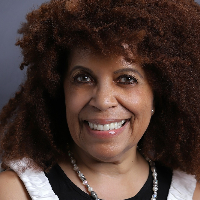
Tennessee · 15 yrs exp
Practical, compassionate therapy with a light touch
Stress, Anxiety · Relationship · Family · Self esteem · +9 more
Read profile
Florida · 10 yrs exp
Compassionate client-centered counseling for complex life issues
Stress, Anxiety · Addictions · LGBT · Trauma and abuse · +14 more
Read profile
North Carolina · 16 yrs exp
Hopeful, practical support for life and recovery
Stress, Anxiety · Addictions · Trauma and abuse · Anger · +13 more
Read profile
New York · 25 yrs exp
Compassionate LCSW guiding practical change
Stress, Anxiety · Grief · Anger · Self esteem · +6 more
Read profileSleeping disorders include a range of patterns that interfere with your ability to fall asleep, stay asleep, or obtain restorative rest. These difficulties can show up as trouble initiating sleep, waking several times during the night, waking too early, or feeling unrefreshed despite spending adequate hours in bed. Sleep problems are often intertwined with daytime experiences - you may notice fatigue, trouble concentrating, mood shifts, irritability, or lower tolerance for stress. Over time, disrupted sleep can influence work performance, relationships, and general quality of life.
It can help to think of sleep health broadly. Factors such as stress, shift work, caregiving responsibilities, life transitions, medications, and coexisting mental health challenges can all affect sleep patterns. Some sleep disruptions are closely tied to physical factors that may require medical evaluation. When you are exploring therapy for sleep, therapists often take a holistic view that considers daily routines, emotional habits, environmental influences, and behavioral patterns that maintain poor sleep.
Deciding whether to seek help for sleep issues begins with observing how your nights influence your days. If you regularly struggle to fall asleep or wake repeatedly and then feel unable to function well during the day, therapy may be useful. You might notice increasing reliance on substances or over-the-counter aids to fall asleep, frequent anxiety about bedtime, or avoidance of daytime activities because you expect to be too tired. Sleep difficulties that persist for weeks or months, and that interfere with your mood, concentration, or obligations, are common reasons people reach out for therapeutic support.
Other signs that suggest therapy could help include racing thoughts at night that you cannot manage on your own, persistent worry about sleep that increases stress, or cyclical patterns where poor sleep worsens anxiety or low mood and those symptoms in turn make sleep more difficult. If you experience symptoms that could indicate a breathing-related sleep problem - loud snoring, gasping, or pauses in breathing - it is appropriate to consult a medical professional as well, since therapy may work alongside medical assessment. In many cases therapy focuses on patterns you can change, helping you regain a rhythm that supports daytime functioning and well-being.
In the first few sessions you can expect a thorough conversation about your sleep history, daily routine, medical history, and any current stressors. A therapist will often ask about when sleep problems began, how nights and days are affected, what you have already tried, and what you hope to achieve. Many therapists request a sleep diary or brief tracking of sleep and wake times for a week or more so that you and your clinician have clear patterns to work from. Together you will set measurable goals, such as reducing the time it takes you to fall asleep or decreasing daytime sleepiness.
Therapy for sleep commonly blends in-session discussion with practical assignments to practice between appointments. Sessions typically include review of your sleep diary, troubleshooting obstacles, learning and rehearsing behavioral techniques, and addressing thoughts or habits that sustain sleep disruption. Homework might include practicing a consistent wake time, adjusting pre-bed routines, limiting stimulating activities before bedtime, or trying relaxation methods. You will likely work on shaping your sleep environment and habits so that your body relearns clear signals for sleep and wakefulness.
Therapists also attend to psychological factors that influence sleep. If worry, rumination, or hyperarousal are contributing to your symptoms, sessions will include strategies to reduce nighttime thinking and foster a calmer mind at bedtime. Over time, the combination of behavioral adjustments and cognitive strategies aims to help you consolidate better sleep and sustain improvements.
There are several therapeutic approaches that clinicians often use when addressing sleep difficulties. Therapists who list cognitive behavioral therapy for insomnia or related cognitive behavioral techniques among their approaches typically focus on changing the behaviors and thoughts that maintain poor sleep. This can include techniques focused on sleep timing, stimulus control to re-establish a strong bed-sleep association, and guidance on limiting naps or excessive time in bed. Some therapists describe sleep restriction strategies that adjust time in bed to increase sleep pressure at night and then gradually lengthen time in bed as sleep efficiency improves.
Other clinicians incorporate relaxation training, breathing exercises, progressive muscle relaxation, and mindfulness-based practices to reduce physiological and mental arousal at night. Therapists who list acceptance and commitment approaches among their modalities may emphasize lowering nighttime struggle with sleep by shifting the relationship you have with difficult thoughts and feelings rather than trying to eliminate them. When circadian rhythm issues - such as delayed sleep-wake cycles - are prominent, therapists who list chronotherapy-informed approaches or behavioral scheduling among their methods may focus on shifting sleep timing and light exposure patterns in a planned manner.
It is common for therapists to combine behavioral methods with interventions that address mood or anxiety, since improvements in one area frequently support the other. Remember that a therapist listing a particular approach indicates it is among the methods they use, not evidence of specific credentialing. You can look for descriptions in profiles that explain how a therapist applies these approaches to sleep-related concerns.
Online therapy offers flexibility in how you meet with a clinician - through video calls, phone sessions, or asynchronous messaging depending on the provider. For sleep concerns, many people find video sessions useful because they mimic in-person contact while allowing you to connect from home. During online work you and your therapist can review sleep diaries, set behavioral experiments, and practice relaxation techniques together. Some clinicians provide supplemental materials or worksheets electronically, and you can often receive brief check-ins or progress updates between sessions when that format is part of the service.
When choosing a therapist for sleep issues, consider several practical factors that appear on listings and in profiles. Look at a clinician's focus areas and experience with insomnia, circadian rhythm challenges, or trauma-related sleep disruption. Notice the approaches they list and whether their descriptions align with strategies you are interested in - for example, cognitive behavioral methods, relaxation training, or mindfulness-based care. Credentials and licensure type can give you information about professional background, while languages spoken and cultural familiarity may matter for rapport and communication.
Think about session format and logistics that suit you - whether you prefer video sessions or phone contact, what session length you want, and how the clinician handles progress measurement. It is reasonable to ask how a therapist collaborates with medical providers when medical factors may affect sleep, such as medication questions or potential breathing-related disorders. Pay attention to tone in a profile or introductory message to assess whether their style feels like a good fit, since a strong working relationship is often a key ingredient in progress. Finally, consider practical questions like fees, insurance options, and what the therapist describes about their approach to homework and tracking outcomes, so you can choose a match that aligns with your needs and preferences.
Improving sleep often takes time and small, consistent changes. By exploring therapist listings with an eye toward their stated focus areas, approaches, and communication style, you can find a clinician whose methods and manner feel right for you. Use the listings below to compare profiles and learn more about how different therapists approach sleep-related challenges.
Alabama
74 therapists
Alaska
12 therapists
Arizona
55 therapists
Arkansas
30 therapists
Australia
79 therapists
California
233 therapists
Colorado
81 therapists
Connecticut
20 therapists
Delaware
10 therapists
District of Columbia
10 therapists
Florida
464 therapists
Georgia
131 therapists
Hawaii
17 therapists
Idaho
23 therapists
Illinois
102 therapists
Indiana
63 therapists
Iowa
24 therapists
Kansas
32 therapists
Kentucky
61 therapists
Louisiana
71 therapists
Maine
8 therapists
Maryland
53 therapists
Massachusetts
36 therapists
Michigan
121 therapists
Minnesota
32 therapists
Mississippi
36 therapists
Missouri
100 therapists
Montana
31 therapists
Nebraska
21 therapists
Nevada
18 therapists
New Hampshire
12 therapists
New Jersey
60 therapists
New Mexico
25 therapists
New York
100 therapists
North Carolina
195 therapists
North Dakota
3 therapists
Ohio
98 therapists
Oklahoma
80 therapists
Oregon
32 therapists
Pennsylvania
92 therapists
Rhode Island
4 therapists
South Carolina
78 therapists
South Dakota
8 therapists
Tennessee
70 therapists
Texas
424 therapists
United Kingdom
500 therapists
Utah
29 therapists
Vermont
3 therapists
Virginia
100 therapists
Washington
53 therapists
West Virginia
14 therapists
Wisconsin
35 therapists
Wyoming
13 therapists